
The Seasonal
Curriculum
Mediterranean and Middle Eastern cooking has always been organized around what the land provides. The Fieldmarker curriculum follows that logic — four seasonal phases, each with its own focus, ingredients, and techniques.
Why seasons matter in this cuisine
The great cooks of the Mediterranean and the Levant have always worked with what was growing nearby. Tomatoes in summer, citrus in winter, spring greens and fresh legumes, autumn squash and pomegranates — the seasonal rhythm of the region is embedded in the cuisine at every level. Fieldmarker's curriculum uses this structure not as a gimmick but as the organizing principle it always was.
Cooking seasonally also develops a more flexible cook. When you understand why you're using tomatoes in a particular dish, you understand how to substitute when tomatoes aren't available. Seasonal knowledge builds culinary independence.
Spring
Fresh greens, young legumes, and the return of herbs
Ingredients in Focus
Spring lessons work with fresh fava beans, artichokes, spring onions, wild herbs, and the young leaves that define the season. These are ingredients that require speed and lightness — heavy sauces and long braises give way to quick preparations that preserve freshness.
Techniques Covered
Quick sautéing, blanching, simple dressings with good olive oil, and the construction of herb-forward dishes. Spring also introduces the concept of fattoush and other bread-based salads that function as a vehicle for the season's most vibrant produce.
Recipe Development Focus
Building salads and mezze that let fresh ingredients speak. Lessons teach how to balance a dish where the main ingredient is inherently light and seasonal.
Summer
The tomato, the eggplant, the fire, and the grill
Ingredients in Focus
Summer brings tomatoes, eggplant, zucchini, peppers, cucumbers, and stone fruits. This is the richest season for the region's most iconic dishes — shakshuka, grilled eggplant, stuffed vegetables, and cold yogurt-based preparations designed for the heat.
Techniques Covered
Charring over flame, oven roasting, the preparation of musakhan and other slow summer dishes. Summer also covers how to cook in heat — practical kitchen organization when ambient temperature makes cooking physically demanding.
Recipe Development Focus
Developing dishes with peak summer tomatoes and stone fruits. Learning to work with ingredients that have an intense but short window of peak quality.
Autumn
Pomegranate, squash, dried fruit, and spice
Ingredients in Focus
Autumn is the season of pomegranate, quince, pumpkin, dried figs, walnuts, and the warming spices that define winter preparation. Lessons explore how these ingredients interact with the savory dishes of the region — pomegranate molasses in a braise, quince with slow-cooked meat, toasted walnut sauces.
Techniques Covered
Braising with fruit, spice blending for warming dishes, the preparation of muhammara and other nut-based sauces. Autumn also covers preservation — how to capture summer's last produce through pickling and jamming.
Recipe Development Focus
Building dishes with the sweet-savory balance that defines autumn cooking in this tradition. Developing comfort dishes that hold complexity without heaviness.
Winter
Citrus, root vegetables, lentils, and slow heat
Ingredients in Focus
Winter centers on citrus in all its forms — lemons, blood oranges, grapefruits — alongside root vegetables, dried legumes, and the preserved ingredients accumulated from earlier seasons. It's the season of lentil soups, slow-cooked beans, and the preserved lemons that have been curing since autumn.
Techniques Covered
Long slow cooking, the management of dried legumes from soak through cook, citrus-based dressings and sauces, and the final integration of preserved ingredients into dishes. Winter closes the curriculum loop by bringing preserved items from earlier seasons into active use.
Recipe Development Focus
Creating dishes that use the pantry intelligently — developing recipes that celebrate the depth of slow cooking and the brightness that preserved citrus brings to winter food.
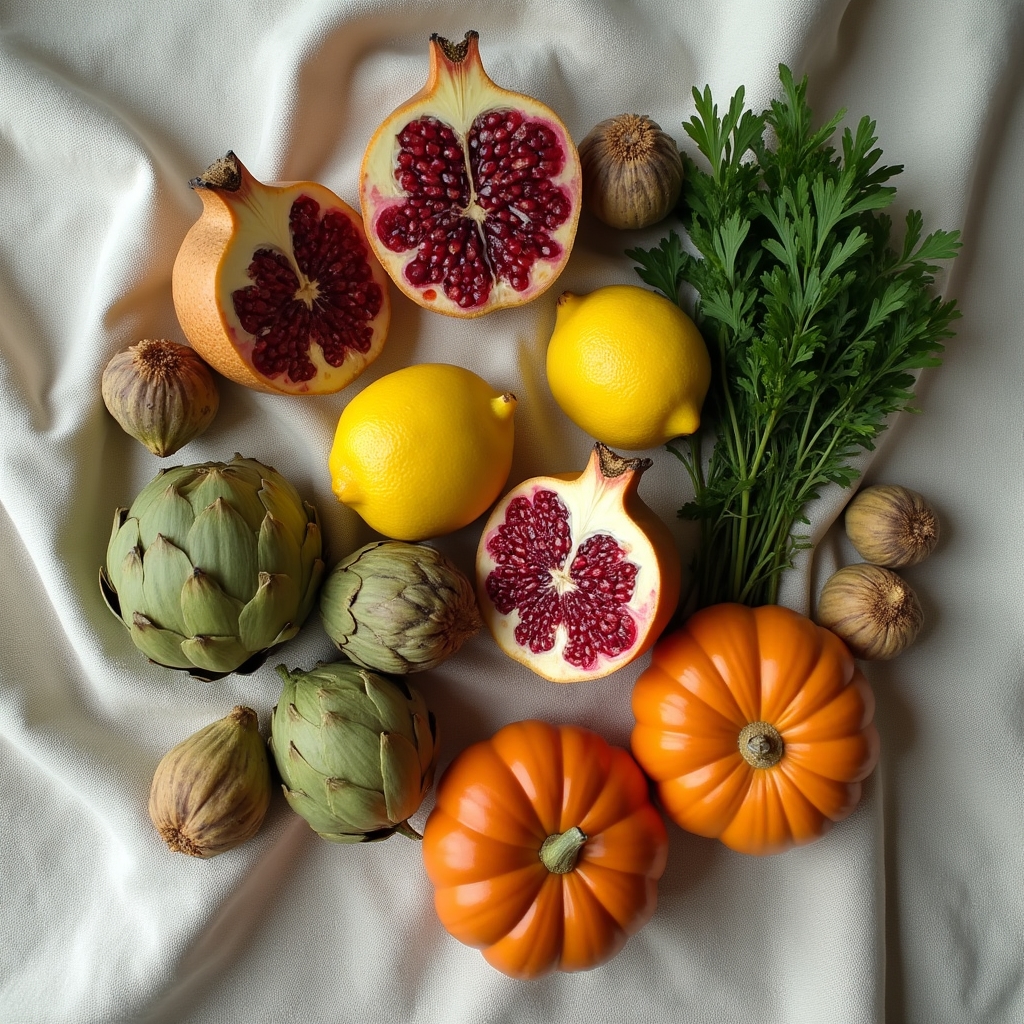
The curriculum connects knowledge across all four phases
Each seasonal phase builds on the last. Techniques learned in spring become foundation for summer's more intensive cooking. Autumn's preservation work feeds directly into winter's pantry-based meals. The year of cooking creates a complete picture of how this cuisine works as a living system, not a collection of isolated recipes.
Ask About Enrollment